
7 Types of Roofing Materials for Your Home
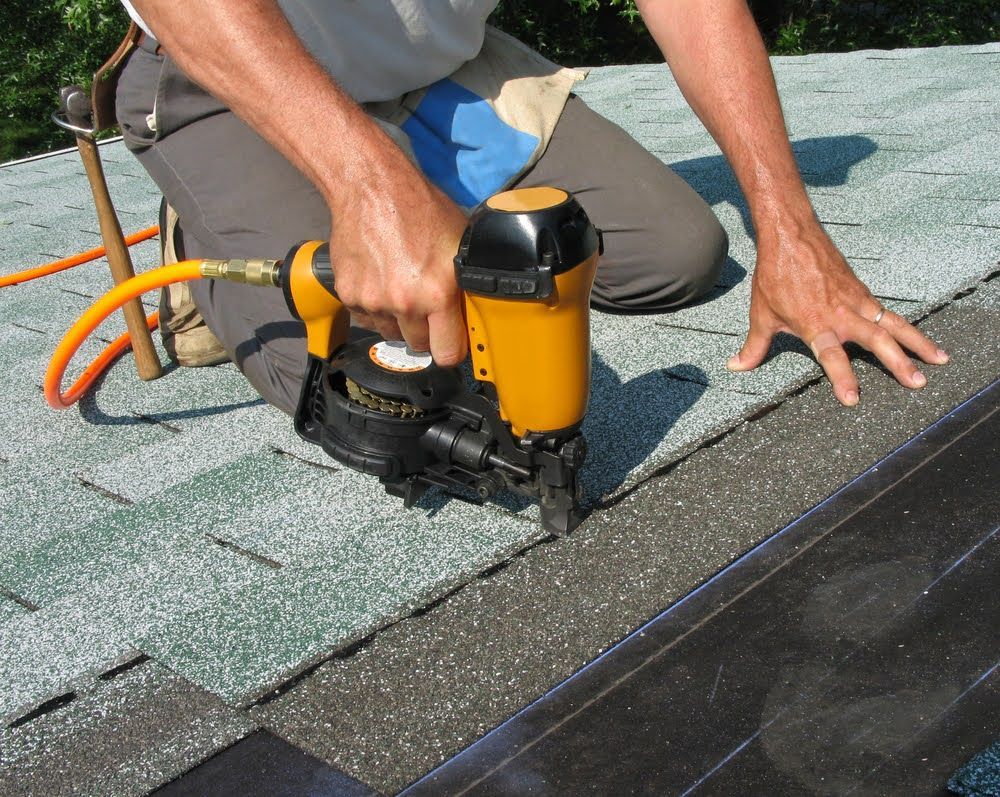
When installing a new roof over your house, one of the most important considerations is the best type of roofing material. This will vary depending on your roof size and slope. You should familiarize yourself with different roofing materials to determine the one most suited for your home.
1. Asphalt Shingle Roof
Asphalt shingle roofing is prevalent in homes today because it is well-liked and the most reasonably priced option in the roofing sector. An asphalt roof consists of asphalt shingles and other roofing components. Asphalt roofing also has different shingles you can choose from depending on your budget. The most common asphalt shingles are dimensional, 3-tab, and luxury.
Initially, 3-tab shingle roofs dominated the market, but now, many people prefer dimensional shingles. Luxury-style shingles are more aesthetically pleasing but are more expensive than dimensional ones.
2. Solar Tiles
If you want to save on your electricity bills, choose solar tiles. This roofing type absorbs solar energy and converts it into power. The installation of solar tiles is costly and labor-intensive. These options aren't ideal for homes in shaded locations. They are also fragile when you compare them to other options.
3. Metal Shingles
Metal shingles are moderately priced and one of the lightest roofing options. This roofing option is available in different materials, including copper, steel, and aluminum. Modern metal shingles are good at resisting rust and fading. However, prepare to repair dents on the roof after hailstorms. Among the available metal shingle options, copper is the most durable and expensive.
4. Wood
This is one of the roofing materials that look better with age. Some wood roofing products are environmentally friendly and biodegradable. Many homeowners avoid installing wood shingles because of their high installation and repair costs. This roofing material isn't suitable for areas with extreme weather. Wood roofing is also highly flammable and easily damaged by rot and insects.
5. Slate
If you want a roofing material for warm climates, consider slate. It comes in shades of black, gray, green, and red. One benefit of this roofing material is that it is durable and resists the elements. However, since slate is made of stone, it can crack easily. Also, if your home doesn't have a slate roof, you cannot reroof it with this material. Slate is heavy; therefore, your roofing structure needs to be able to withstand its weight.
6. Clay Tiles
These tiles consist of molded and fired earthen clay, which makes them durable. You should opt for clay tiles if you live in a warm climate. Clay tiles absorb less moisture, which is why they are low-maintenance.
One of the downsides of clay tiles is their high cost. They are also fragile and can break easily during installation. Another disadvantage of clay tile is that it can add significant weight to your home's structure, leading to structural issues.
7. Green Roofing
One way to give your home a natural touch is by installing green roofs. Also known as living roofs, they are essentially small gardens that form a roof. Consider green roofing if you want excellent water runoff management and clean oxygen. This roofing option is also suitable for insulating your home.
However, building and maintaining a green roof is quite expensive. The high maintenance of green roofs is due to the need to keep the plants alive.
Finding the appropriate roofing material for your home is daunting if you consider the numerous options available. Consult JCB Roofing for high-quality roofing solutions. We will guide you through the process of choosing and installing the right roofing material for your home. Don't hesitate to contact us for more details about roofing materials and other roof-related issues.